The boat trip where the white cliffs meet the blue of the Mediterranean
Art and Culture
Livatino and His Assassins: The Rai TV Series Locations
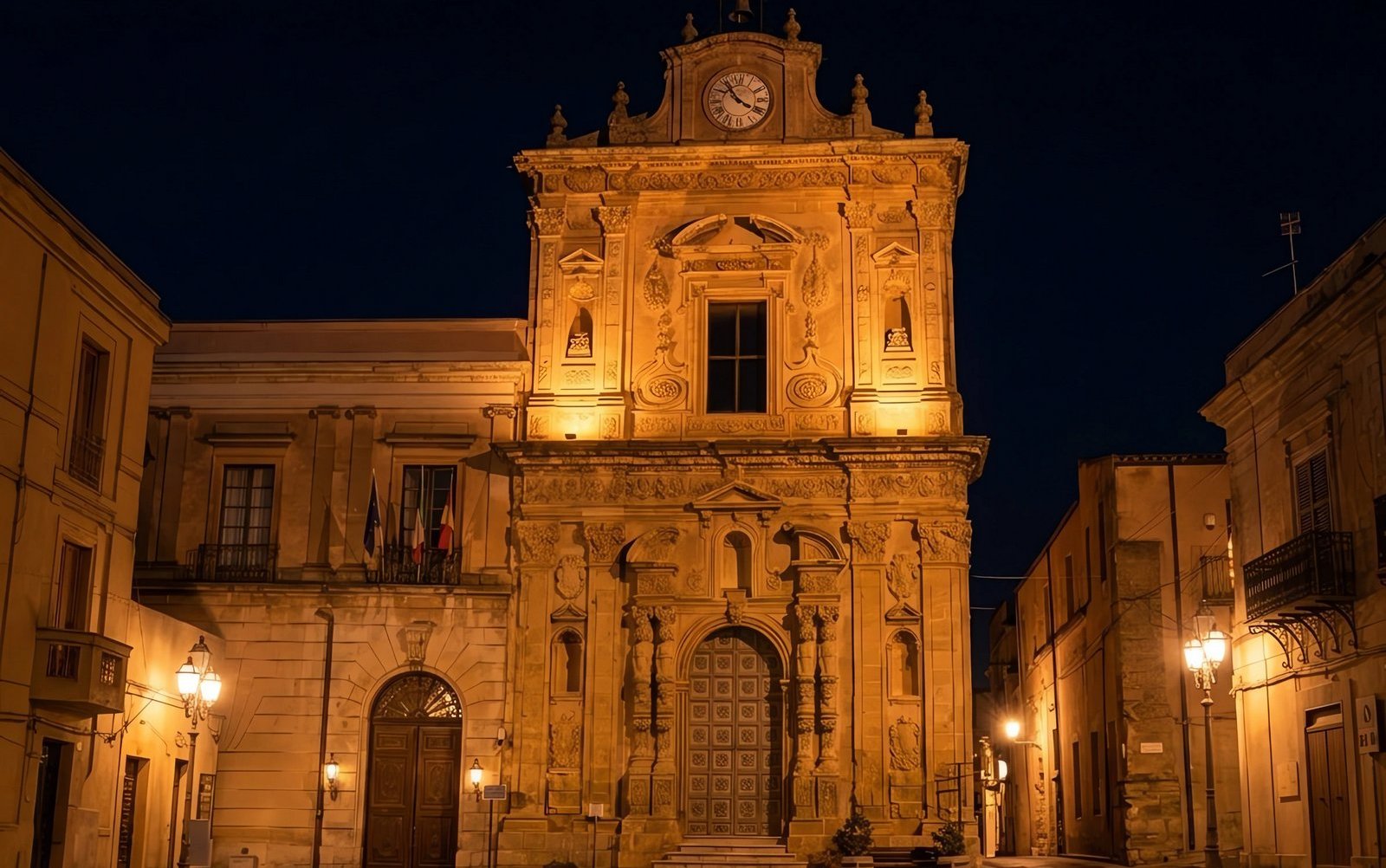
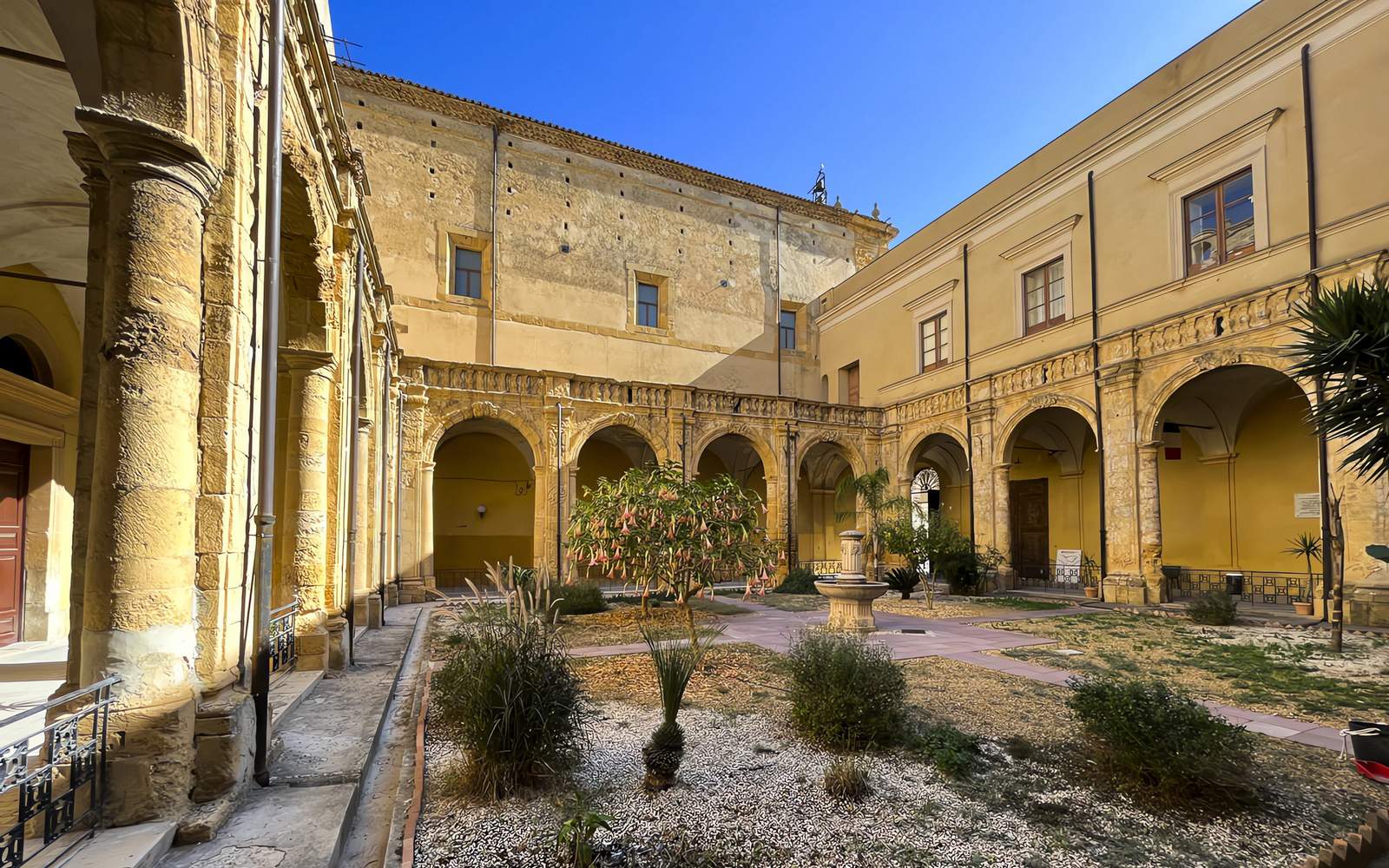
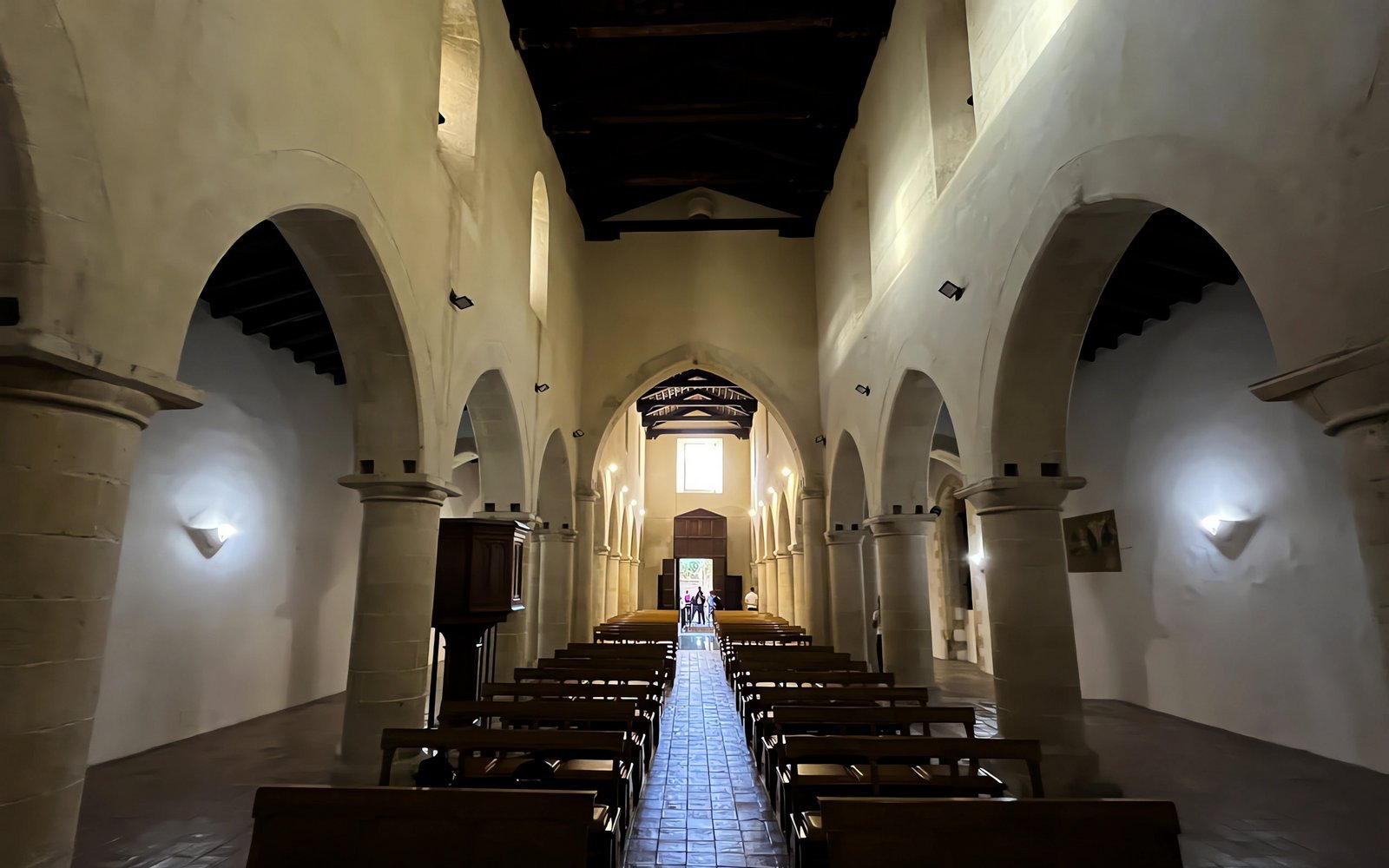
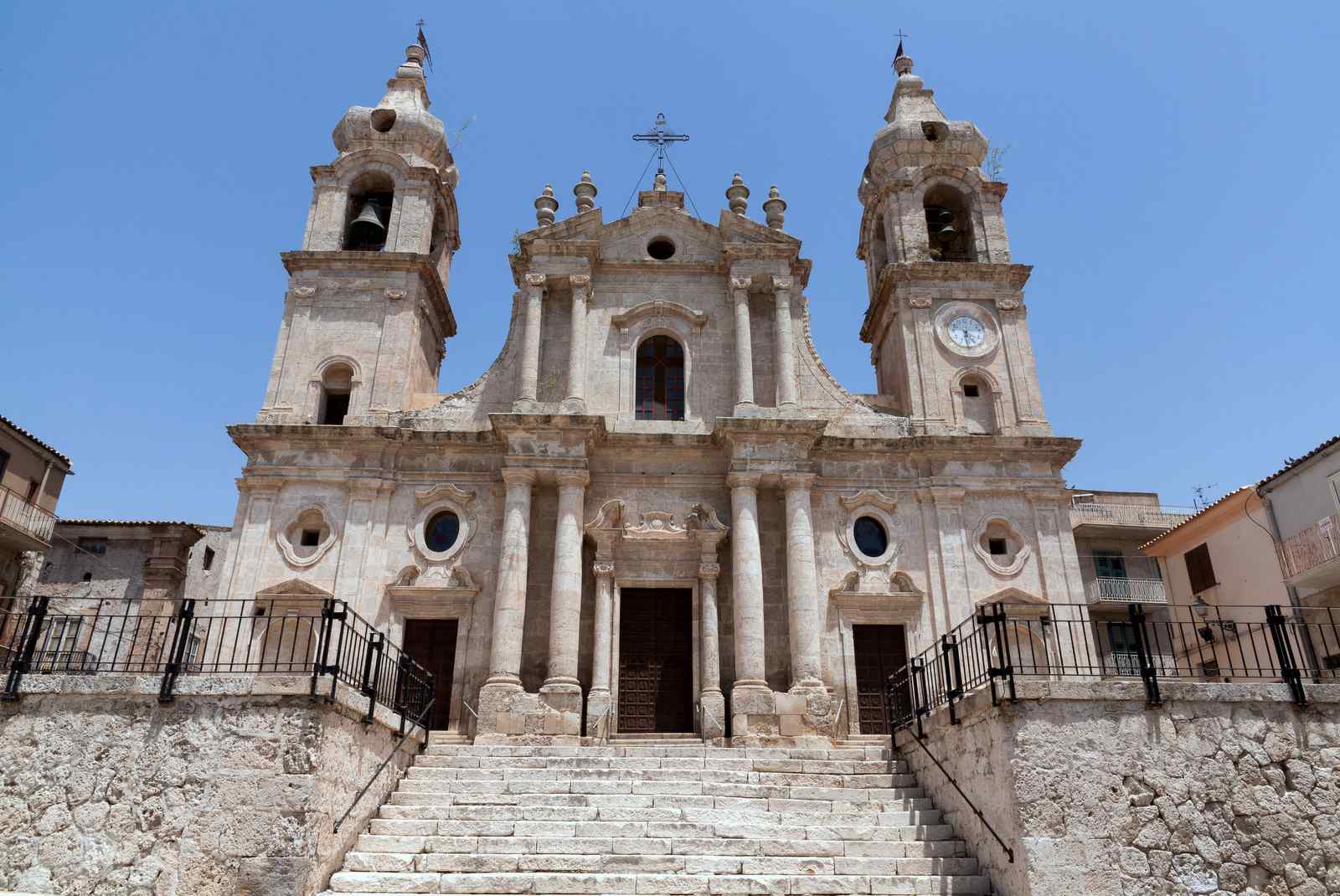
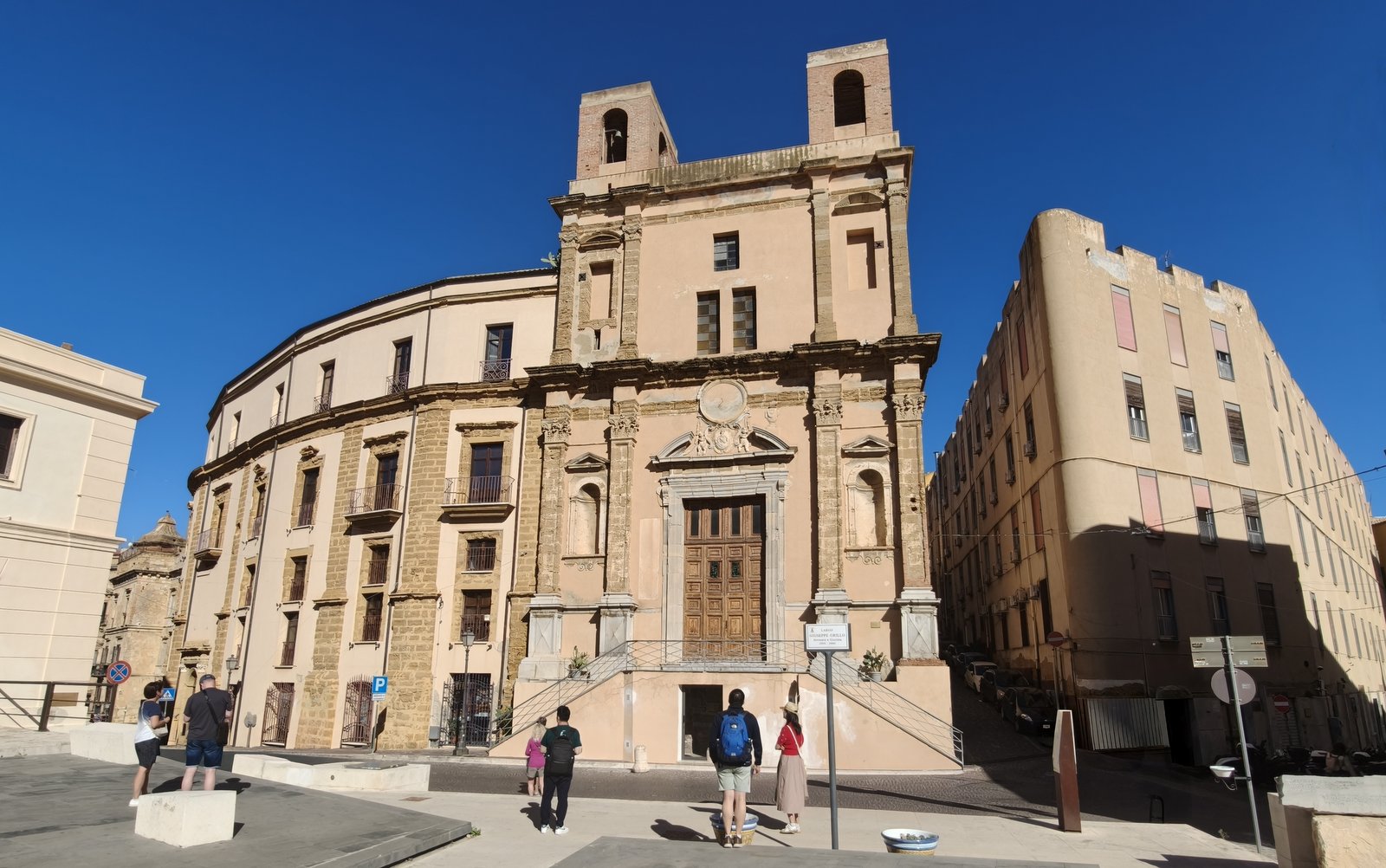
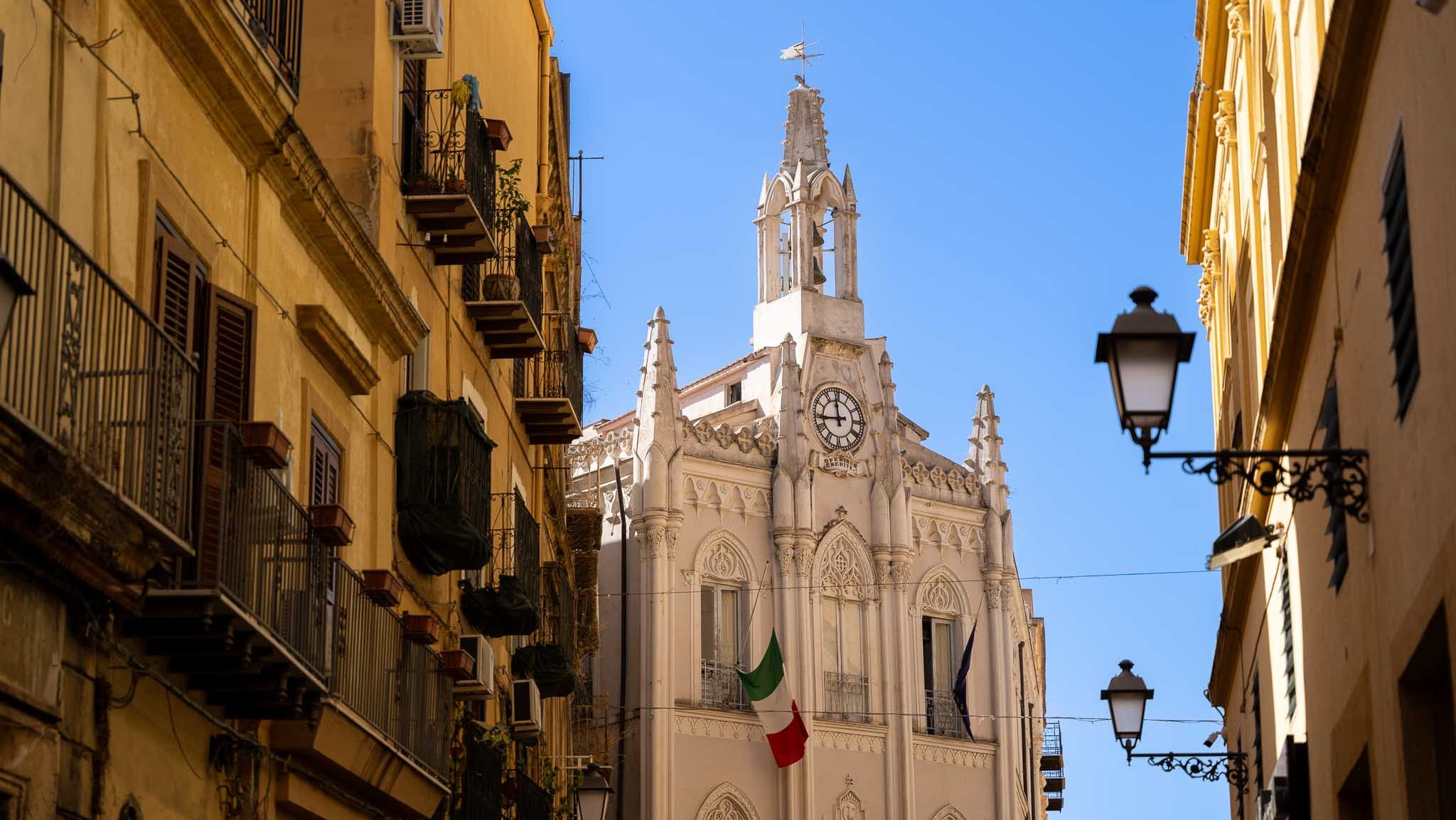
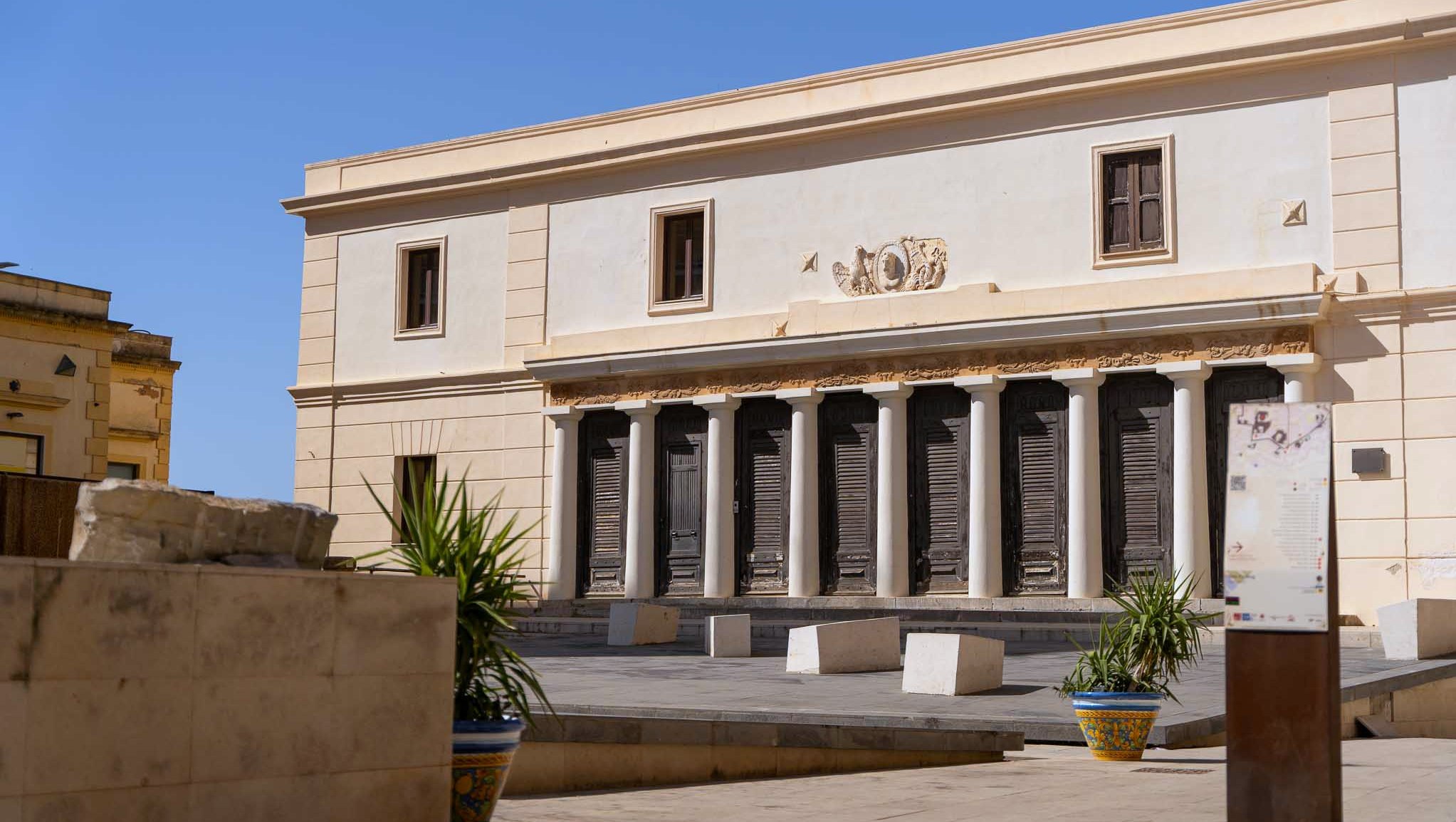
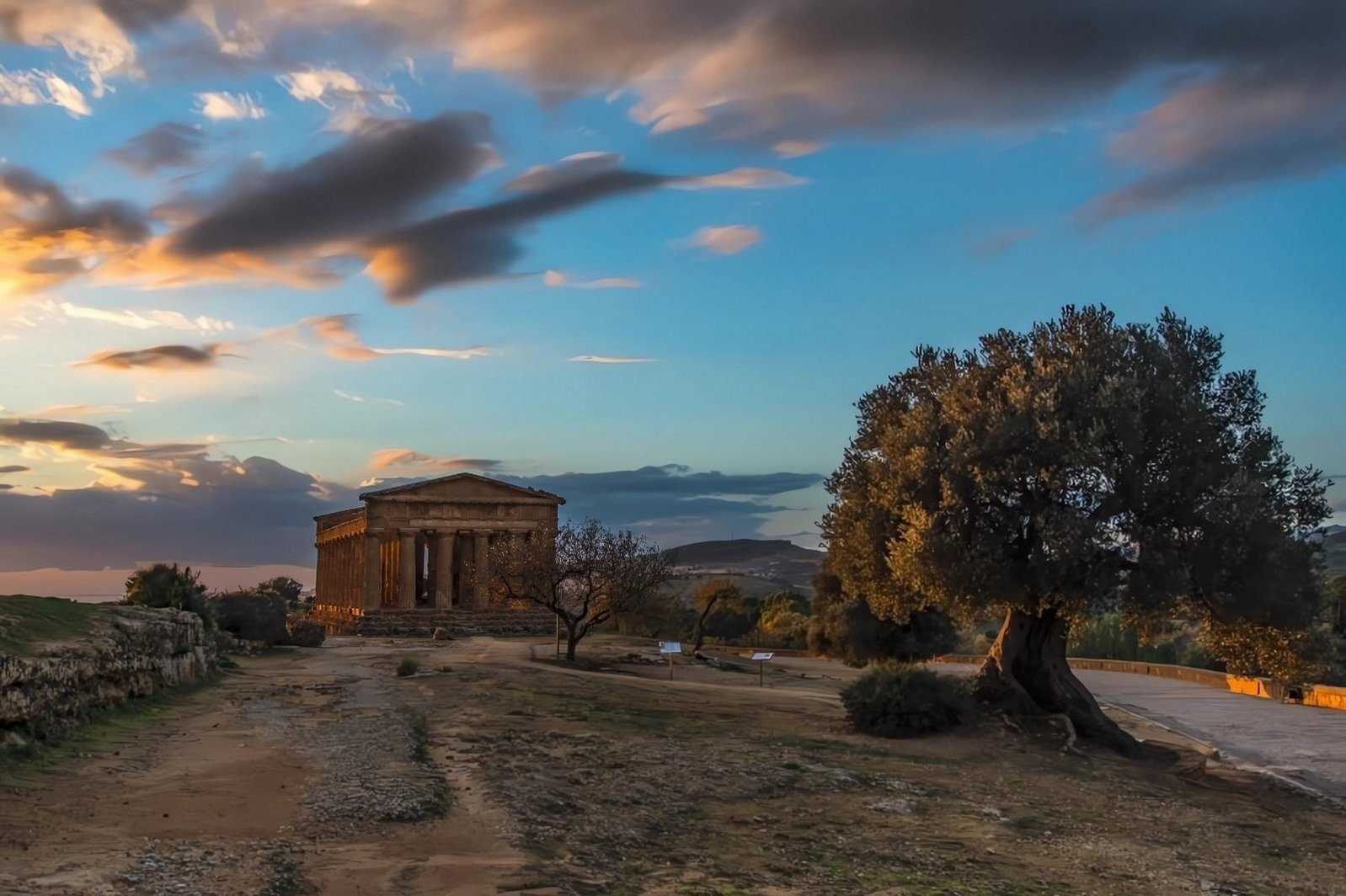
The television series dedicated to Rosario Livatino recreates the atmosphere of 1980s and 1990s Sicily through some of the most evocative and authentic settings in the Agrigento province. Amid historic alleys, monumental architecture, and timeless views, the camera chose as its privileged sets the Baroque and medieval treasures of Naro, including the Churches of San Francesco and Santa Caterina, the scenic square of the Mother Church in Palma di Montechiaro, and the heart of Agrigento, where the magistrate’s real-life places stand alongside the backdrop of the Valley of the Temples. Click on the map markers to explore the historic centers involved and discover the monuments captured in the TV series and much more.
Michele Placido’s choice to set Rosario Livatino’s daily life in Naro, rather than confining it to the places actually lived by the magistrate in Canicattì, suggests an interpretation that goes far beyond biographical reconstruction and aesthetic appeal.
It is as if the geography of the narrative sought to restore a broader dimension to Livatino’s story: that of an entire territory, with its extraordinary beauty, its great contradictions, and its searing wounds. Naro, with the charm of its Baroque architecture, and Palma di Montechiaro, with its own history and quest for redemption that goes beyond cinematic portrayals, thus become part of a narrative that runs through the deep identity of the Agrigento hinterland.
Within this landscape, two opposing visions of the future ideally meet: on one side, the moral rigor of a man who made justice a life choice; on the other, a youth universe that, in the illusory promise of criminal power, seeks answers to needs for dignity, recognition, and redemption. Livatino’s story, therefore, though rooted in Canicattì, does not belong solely to the places of his existence, but becomes a shared heritage stretching from Agrigento to Canicattì, passing through Naro and Palma di Montechiaro: a living, choral testimony of a land still called upon to confront its own responsibilities. For his example, together with the tragedy of his martyrdom, continues to speak well beyond the time and borders in which it took place: not merely as a memory to be preserved, but as a conscience to be renewed every day.